When little, on a family holiday to Austria, my Dad, a professional pianist, wanted to take me to Mozart’s birthplace in Salzburg, now housing a museum to the incredible composer.
It was sadly not to be for, upon arrival, we were told that I was too young to gain entry (lest I maraud around, climbing all over the harpsichord or laying my sticky juvenile fingers all over some manuscript. Which in all fairness, is understandable. So it was, my disappointed Dad left me on the threshold with my mum and little brother to maraud around some place less sacred.
But I never forgot this and when visiting Salzburg as an adult with my (now) husband, I made a beeline, triumphantly gaining what felt like the keys to the kingdom as they gladly accepted my adult Euros.
And as I passed over this hallowed ground, greeting us was a holographic opera singer, penetrating the airwaves with the beautiful, exquisite, goose-bump inducing Queen of the Night aria, from Act 2 of. The Magic Flute.
And so here we are.
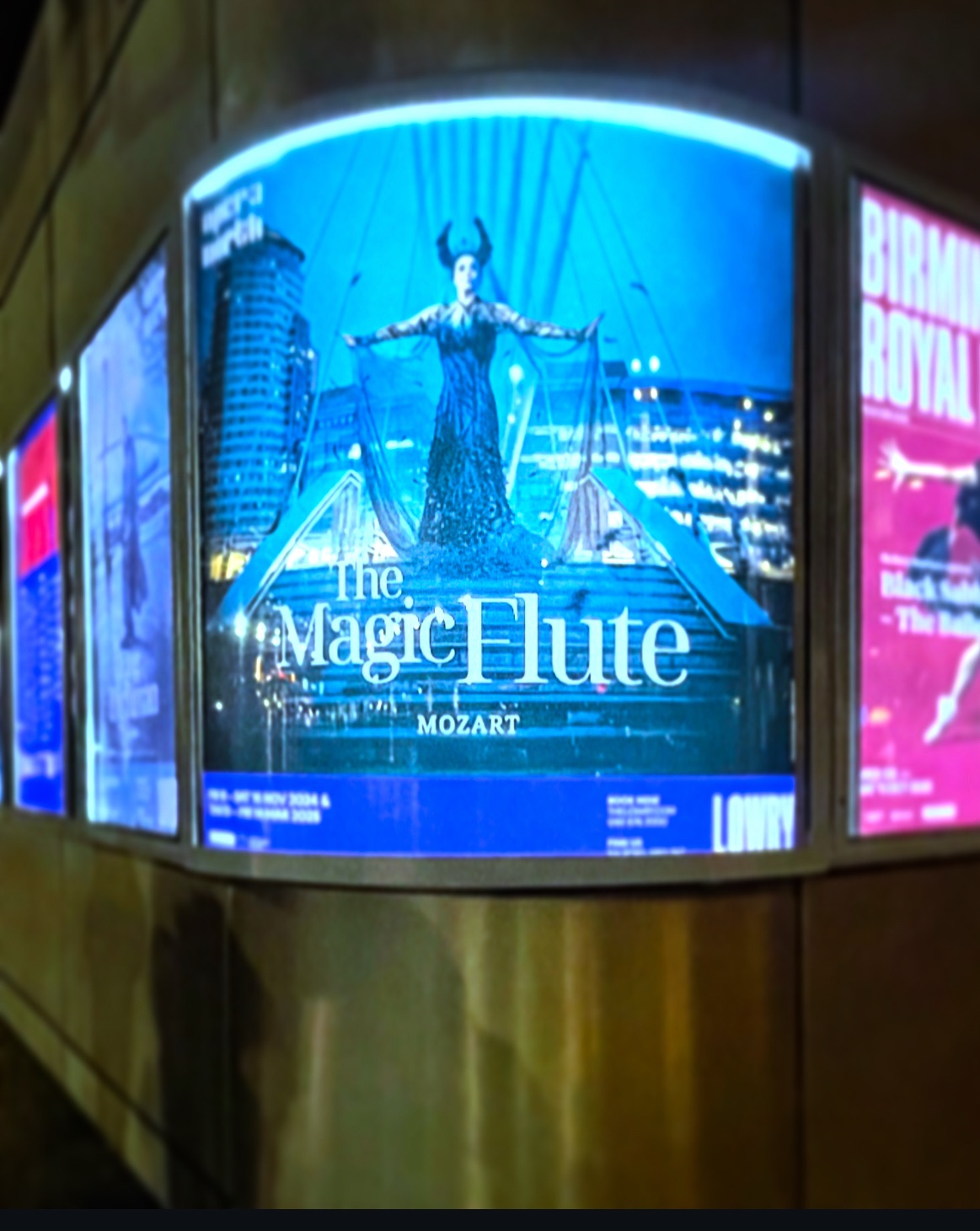

In one of the greatest operas ever written, the dashing prince Tamino is on a quest to find love and happiness. With the bird-catcher Papageno at his side and armed with a magic flute, he must battle trials, tribulations and an evil sorcerer to rescue the imprisoned Pamina. Yet just when success seems within reach, the Queen of the Night has a final surprise in store…
I’m very lucky to have been the guest of Opera North on many occasion, and there is no question that when the company pull up in town, they’re bringing something rather special with them.
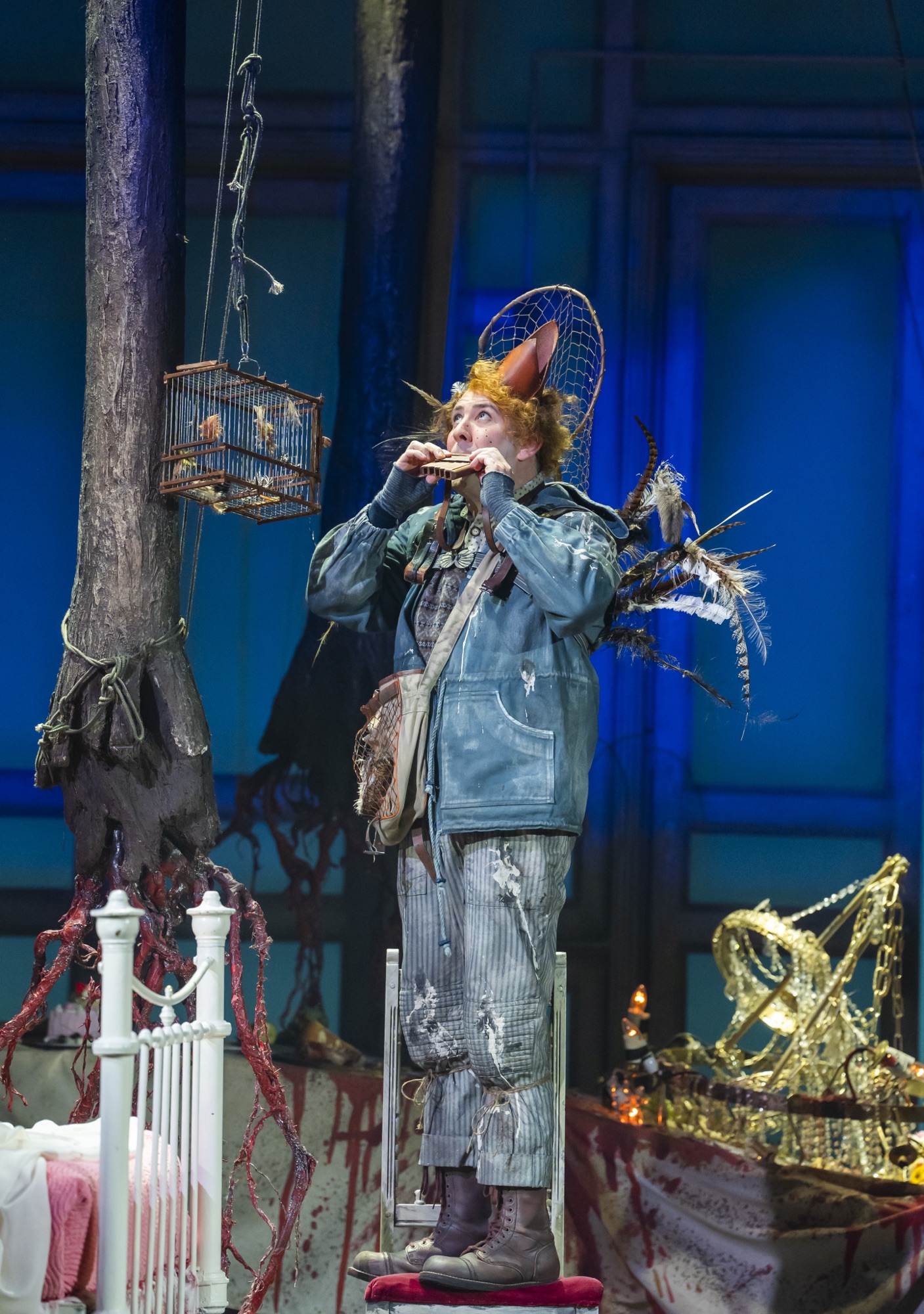
Written in 1791, Wolfgang Amadeus Mozart’s untimely death at the age of 35, came only 9 weeks after The Magic Flute premiered. His collaborator, actor, singer, playwright and producer Emanuel Schikaneder took on the role of the glorious, glorious bird-catcher, Papageno (both in creation and in execution in this production by Emyr Wyn Jones).
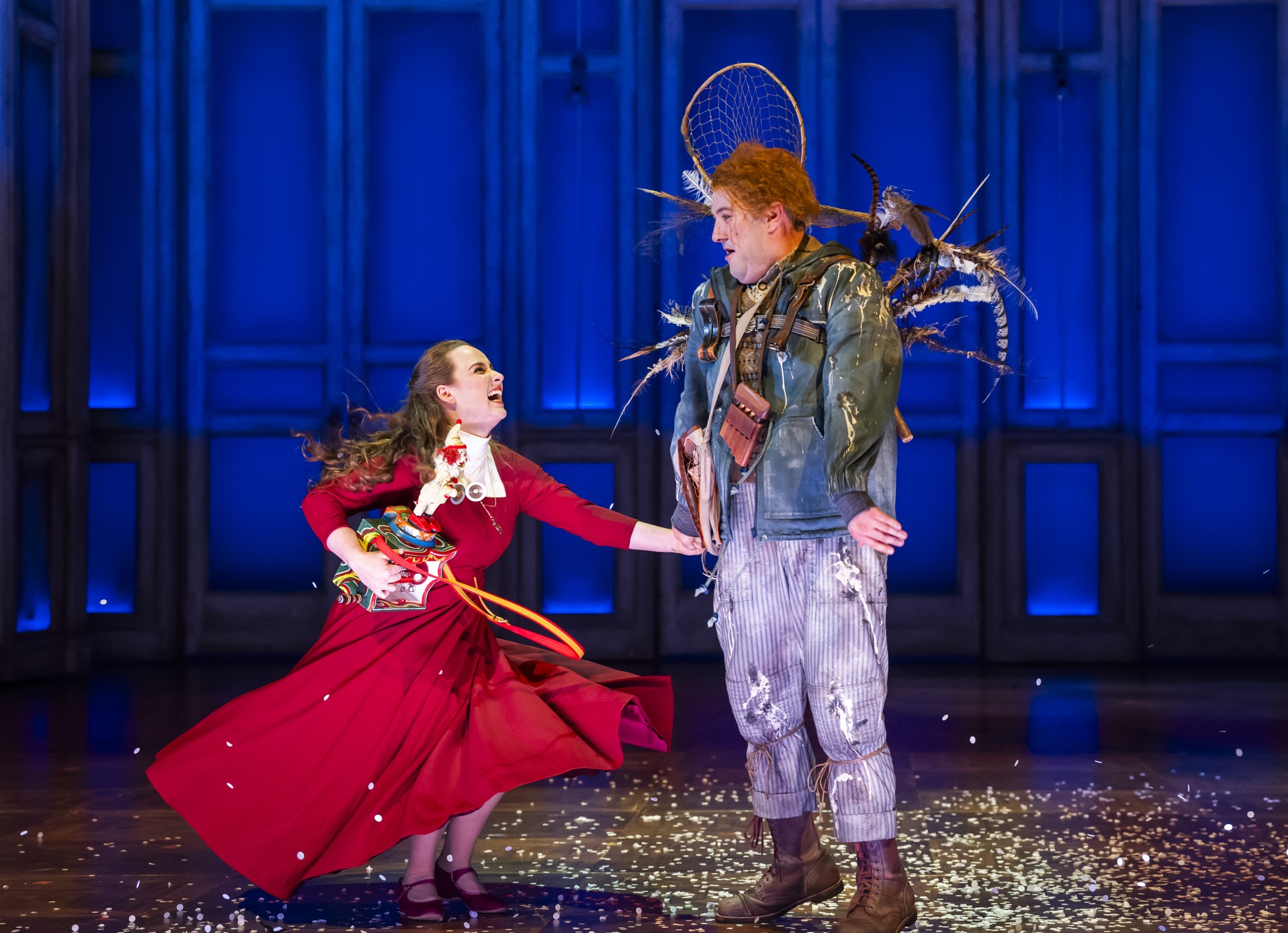

The Magic Flute is often described as a good introduction to Opera. The fantastical story featuring good, evil, monsters, queens, princesses and magical bells and whistles (quite literally) is a fairy tale in the truest sense,. And on a somewhat deeper level (and where most fairy tales take us) it is a journey to enlightenment, from quite literally the darkness to the light through a series of challenges and lessons. And so, The Magic Flute has the propensity to appeal to audiences of all ages.
Written in the ‘Singspiel’ genre – this literally translates to a play with music, it feels more accessible to a wider audience, as was indeed the case when debuted in 1791. Originally sung in German, this production is in English, with English subtitles screened at each side of the stage.
The performance I attended last night had the added bonus of being BSL interpreted. Please don’t think me glib in referring to something that is a crucial and important language form to provide accessibility as ‘an added bonus’. What I mean is, this was taken to another level.
My eyes were drawn to interpreters Sarah and Craig throughout the performance, as the BSL is integrated. The music, singing and story is captured by both as they appear on stage, not stood at the side but as part of the performance in costume, immersed with the cast and story-telling itself. It was a true joy and I understand Opera North are the first opera company to introduce this. It was truly something special.
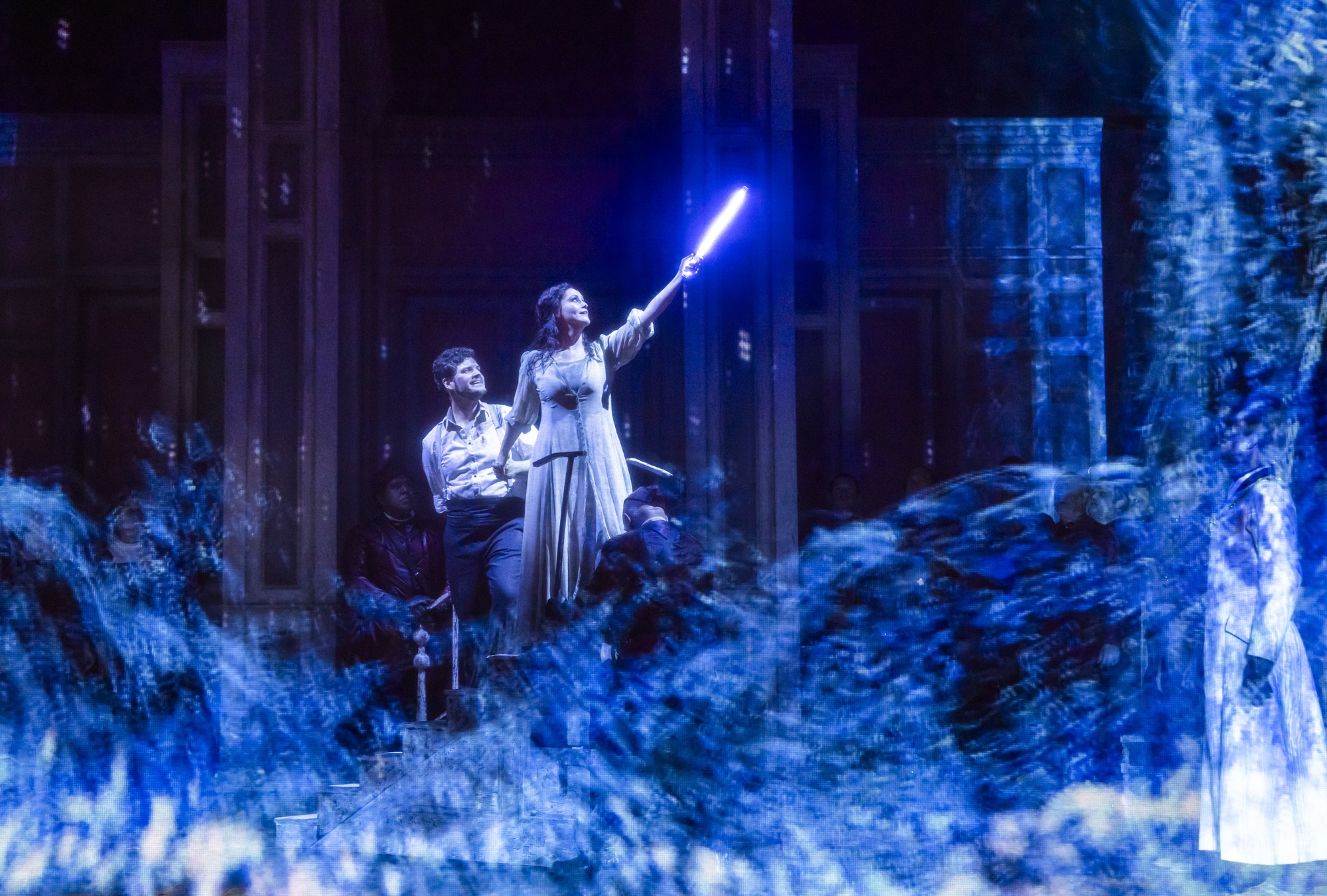
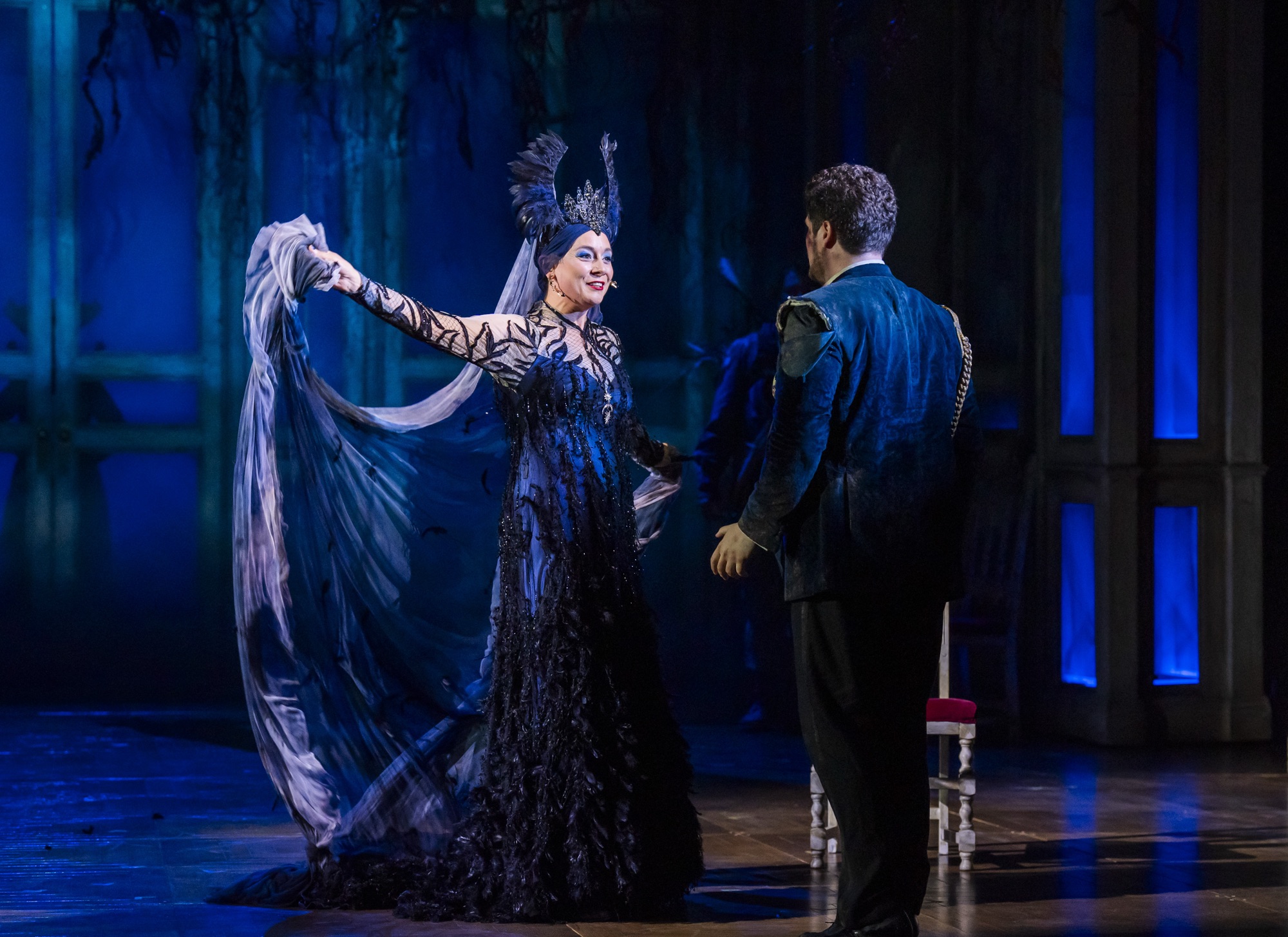

Some other things to look out for in both the origin story and this production, when you go.
And, if able, you really must go.
- the power of 3. A recurring pattern throughout the production. I read in the programme whilst waiting for the curtains to lift that co-collaborators Mozart and Schikaneder were masons. With three the number of knocks required on the lodge door, this is said to be coded throughout the opera.
- the breaking of the fourth wall. The production beautiful, exquisite, powerful, all the things you hope to experience from the operatic genre, it is also comedic and playful. Sit back and enjoy the aforementioned Papageno as he appeals to the universe (and seemingly audience, one lady in front of me taking him up on his offer, with gameful acknowledgement from the stage).
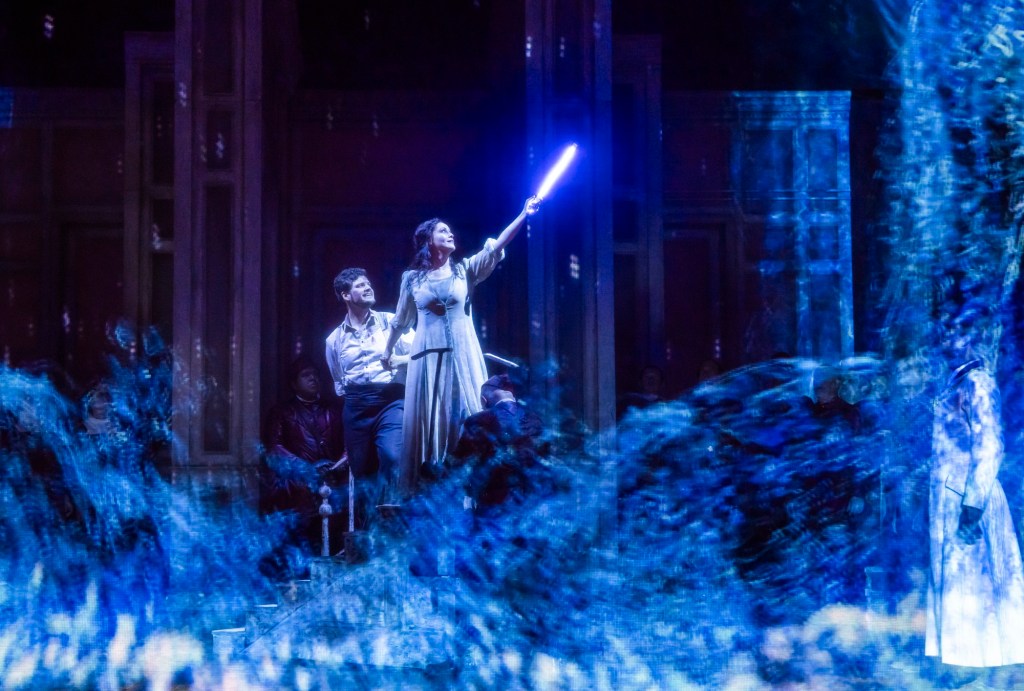
- the passage through the elements, as we accompany Tamino (Trystan Llyr Griffiths) and Pamina (Soraya Mafi) on their journey’s end, with incredible visual and audio effects, through fire and water.
- the monster. you’ll see.
- The big-hitter which hits big. Taking us back to my story of Salzburg, nothing will tingle your spine and indeed senses like seeing and hearing the Queen of the Night’s (Anna Dennis) infamous aria hit those seemingly impossible high notes in one of the most noted pieces of operatic passages. I’m fairly certain I wasn’t the only audience member who was in an open-mouthed trance during the beginning of Act 2.
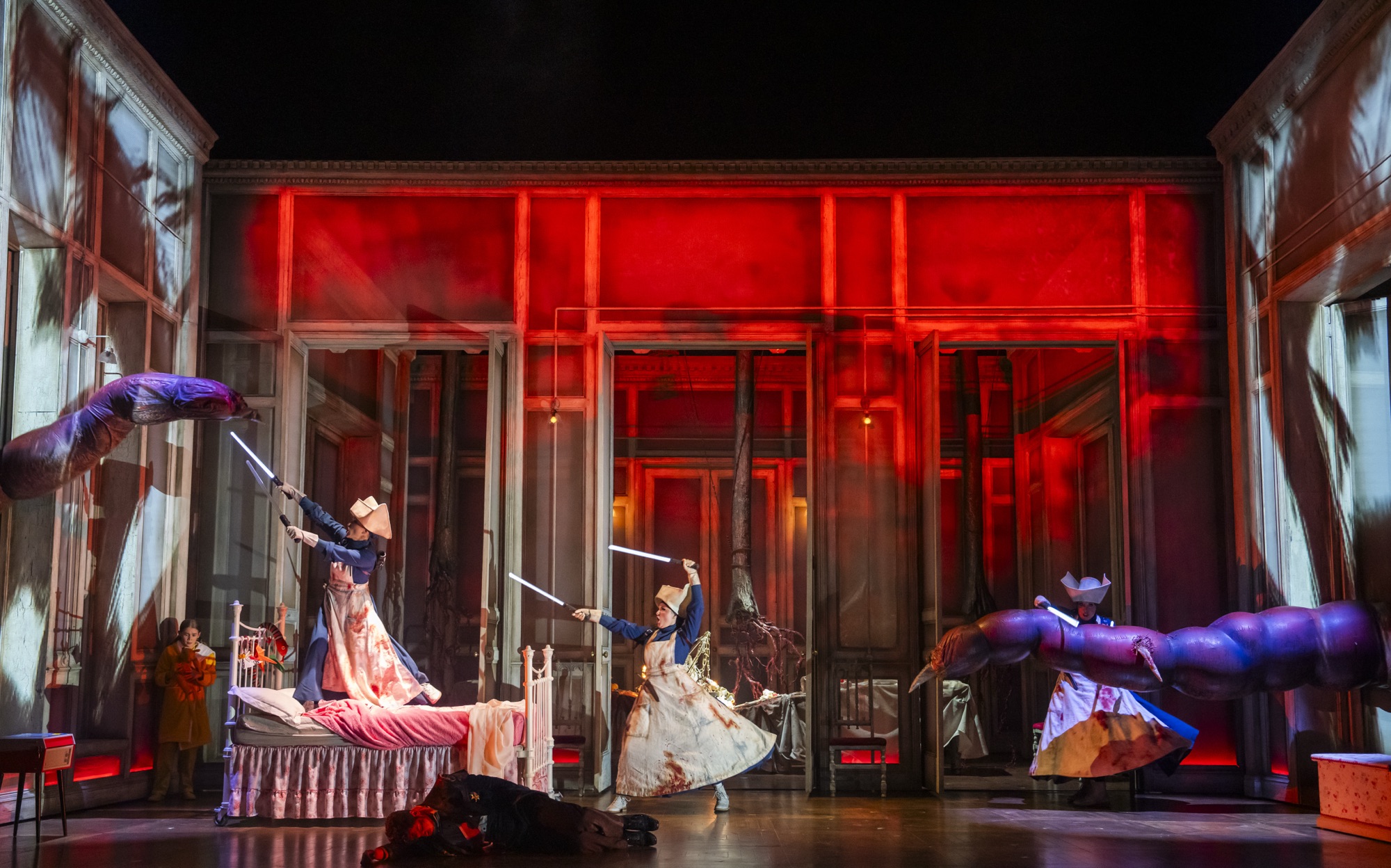

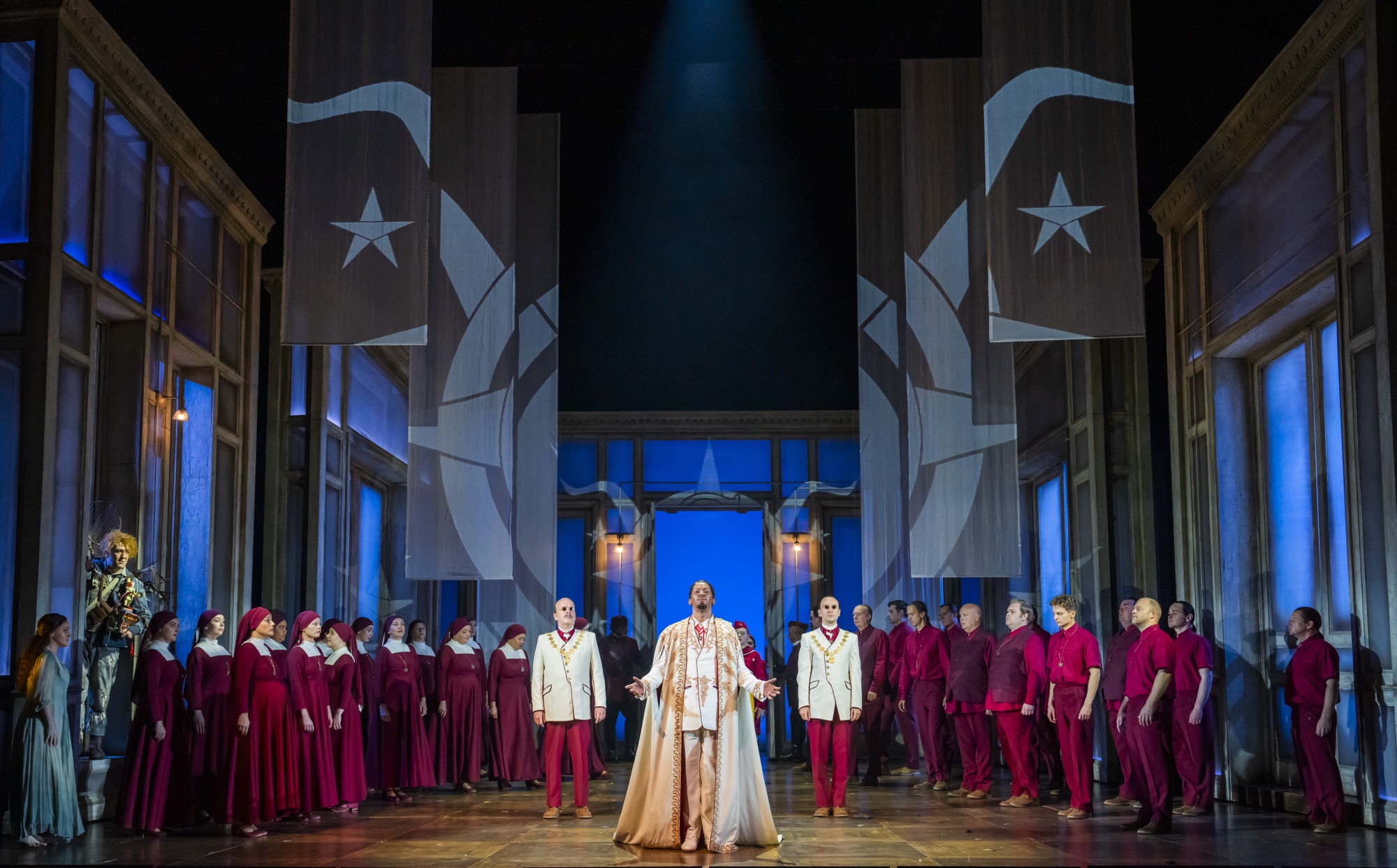
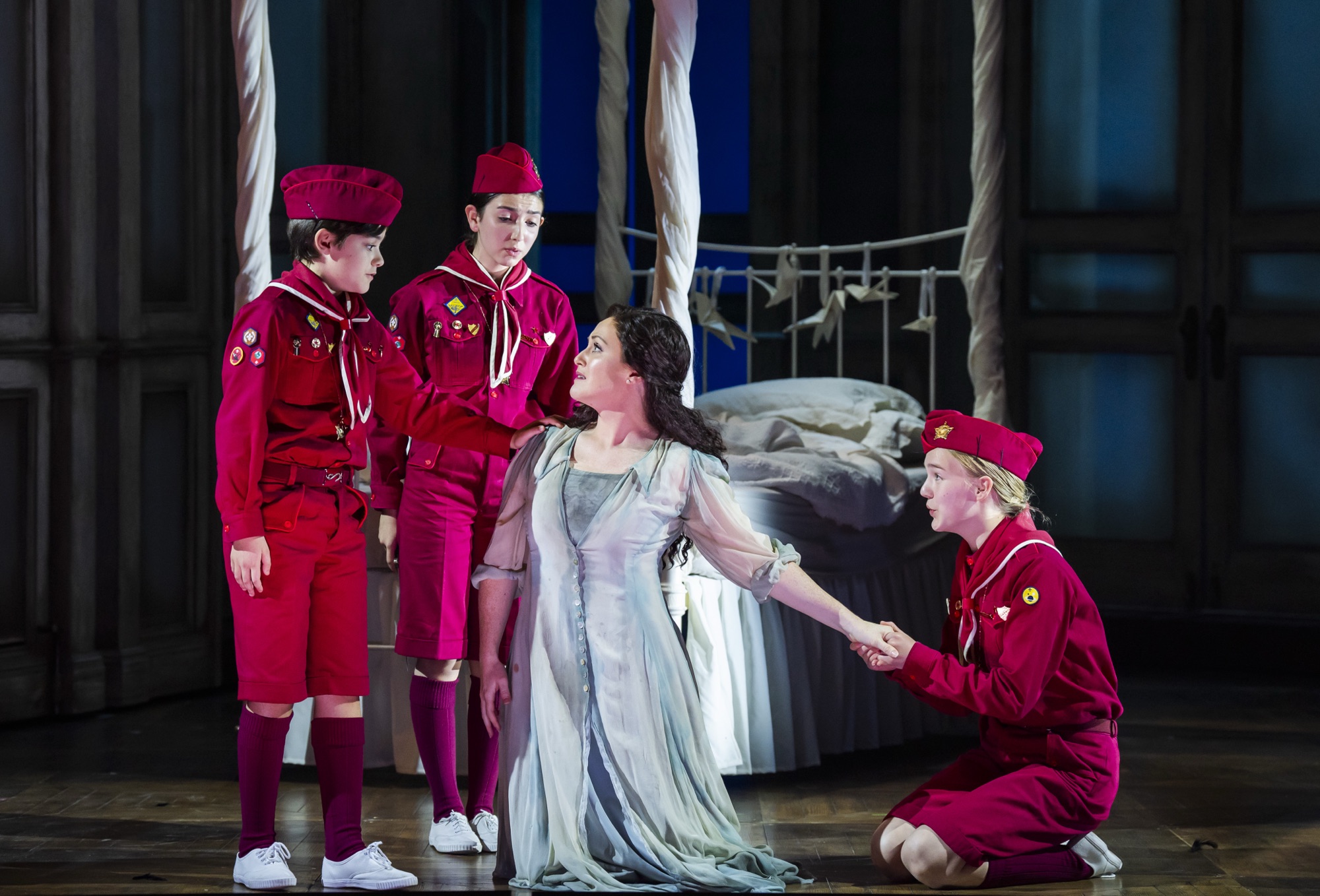
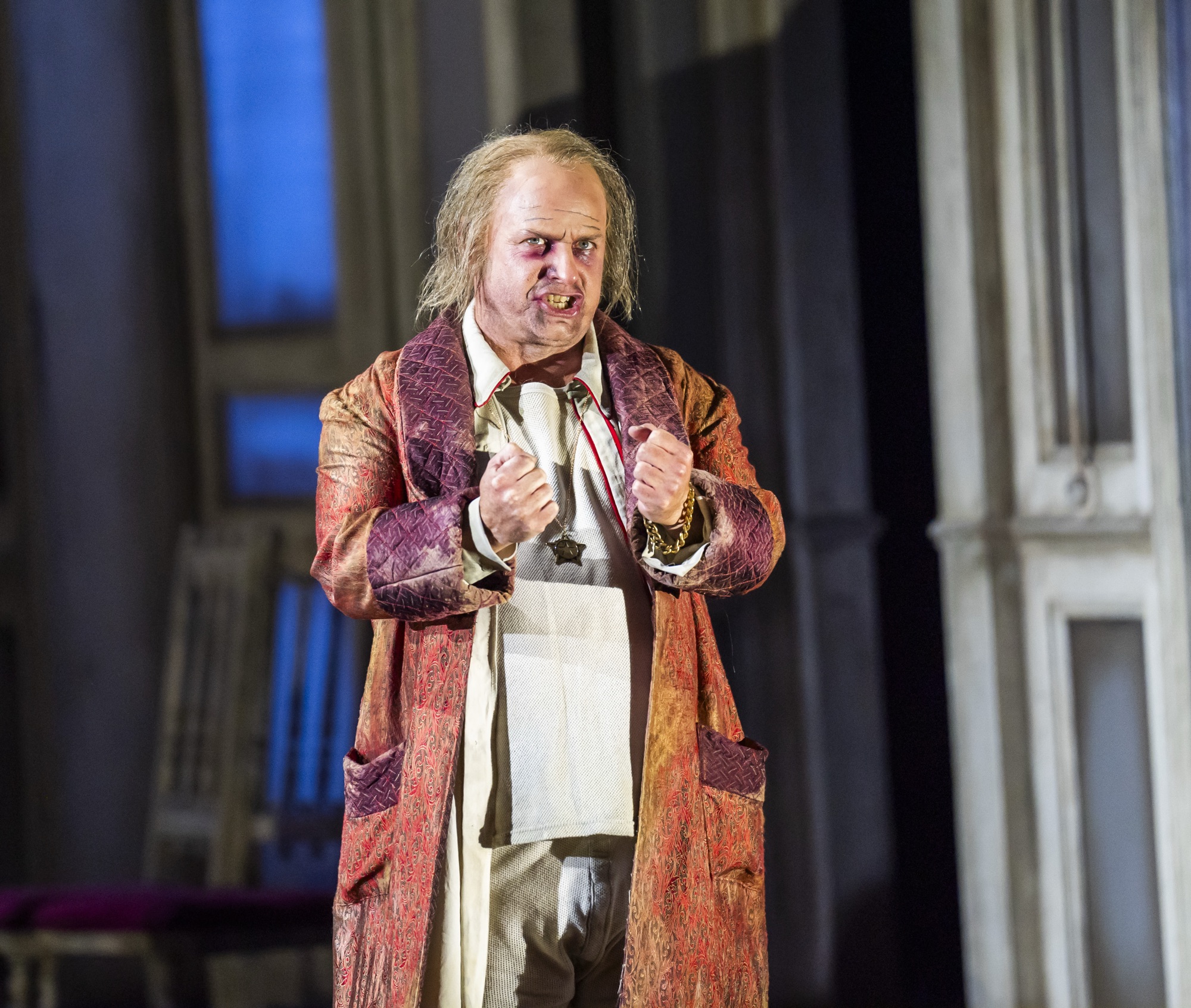

Conductor Patrick Lange and Orchestra of Opera North, bring Mozart’s composition beautifully to life as intended, its rousing, contrasting passages of dark and light, ranging from the deep and stately to the high, playful and romantic.
Every aspect of Director, James Brining’s production, brought by those whose work sits in the spotlight on stage to those behind the scenes forming part of a creative collaboration working to bring a vision to life, will make this visit to the Opera, be it your first or your fiftieth, a joyful pleasure.
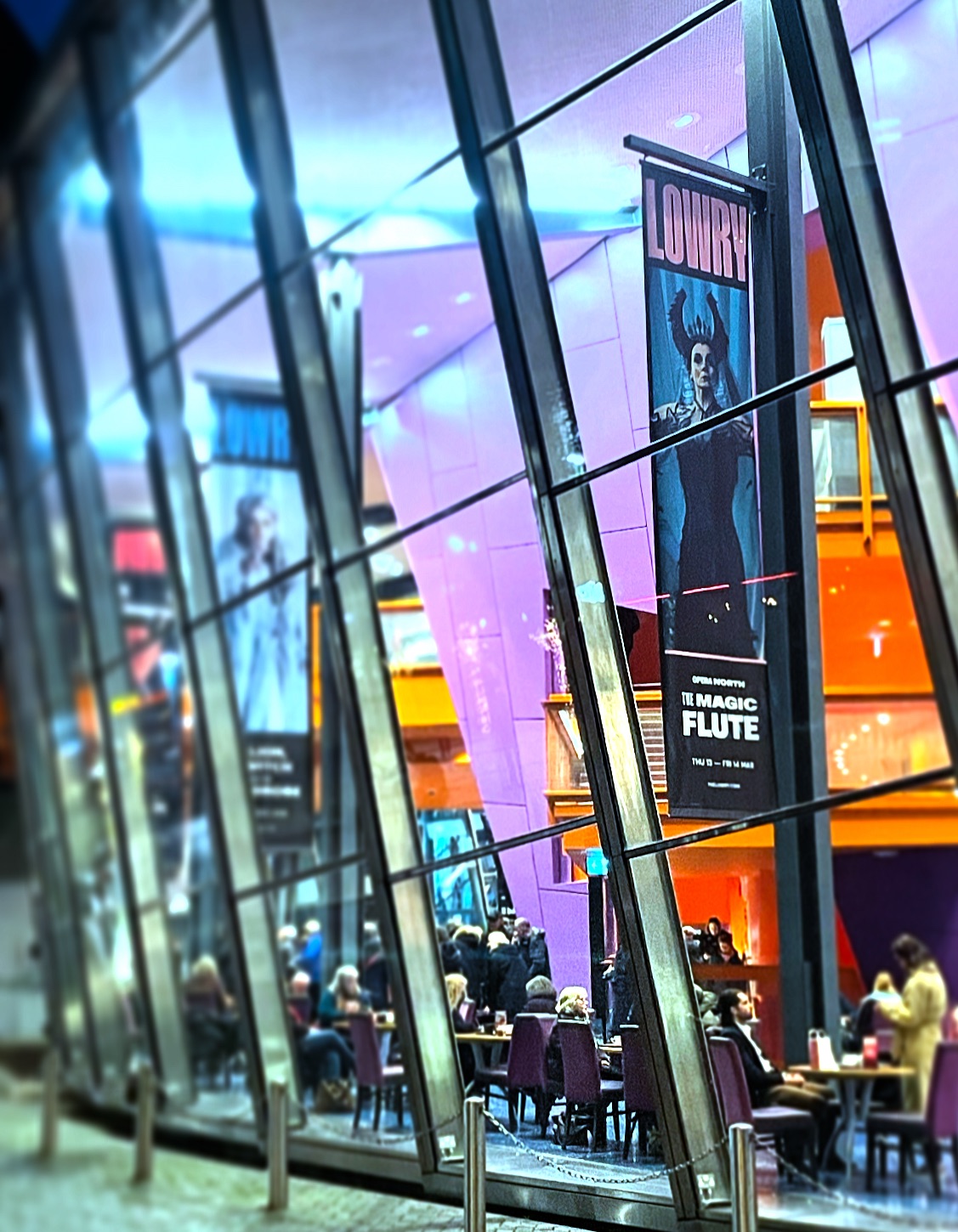
You still have chance to catch The Magic Flute at Lowry tonight, Friday 14 March – visit https://thelowry.com/whats-on/101//opera-north-the-magic-flute for more details.
To read more about Opera North, head to https://www.operanorth.co.uk/
Production photo credit: Tristram Kenton.
 honorary manc
Leave a comment